What Exactly is Asphalt Milling?
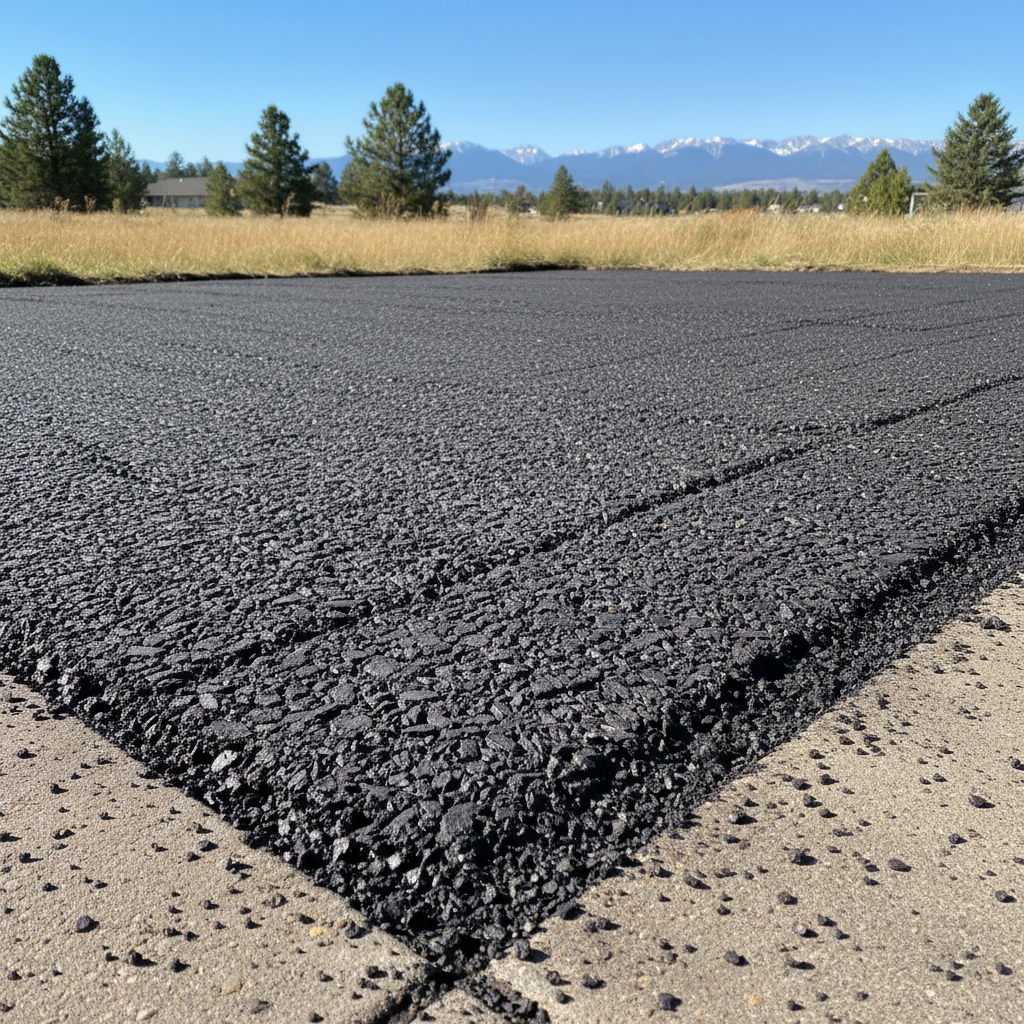
You've probably seen it happening around Missoula, even if you didn't know what it was called. Asphalt milling, sometimes called 'cold planing' or 'asphalt recycling,' is basically grinding up the top layer of an existing asphalt surface. We use specialized equipment to shave off a few inches of that old, worn-out asphalt. What's left is a rough, but stable, new surface that's ready for a fresh layer of asphalt, or sometimes, it can even serve as a finished surface on its own for certain applications.
Why bother with milling instead of just tearing everything out? Well, for starters, it's usually more cost-effective. You're reusing a lot of the existing material, which is good for the environment and your wallet. It also helps maintain the existing grade and drainage, which is a big deal here in Missoula, especially with our spring thaws and the freeze-thaw cycles that can really mess with pavement.
Before You Start: Planning Your Milling Project
Alright, so you're thinking about milling. First things first: assess your current asphalt. Is it just a little cracked and worn, or is it completely falling apart with huge potholes and major structural issues? Milling is best for surfaces that have surface deterioration but still have a decent base layer underneath. If your base is shot, milling might not be enough, and you might need a full-depth replacement.
Next, consider your goals. Are you looking for a temporary fix, a new base for fresh asphalt, or a finished surface for a low-traffic area like a gravel driveway extension or a garden path? The answer will dictate a lot about the process and what kind of equipment you'll need.
You'll also want to think about drainage. Missoula gets its share of rain and snow. Make sure that whatever you're doing, you're not creating new puddles or directing water towards your foundation. This is where a good eye for grading comes in handy.
DIY Milling: What You Can Realistically Do
Let's be honest, for a typical residential driveway, full-scale asphalt milling with a massive milling machine isn't a DIY job. Those machines are huge, expensive, and require a skilled operator. You're not going to rent one at Home Depot.
However, if you're talking about smaller areas, like patching a section of a private road, creating a temporary parking pad, or extending a gravel driveway, you might be able to work with reclaimed asphalt pavement (RAP) that's already been milled by a professional. Sometimes, if a crew is milling a larger project nearby, you might be able to get a load of RAP delivered. This material is excellent for creating a durable, compacted surface that's much better than plain gravel.
If you're using RAP, your DIY job would involve:
- Site Prep: Clear the area, remove any large debris, and ensure you have a relatively level, well-drained base.
- Spreading: Use a skid steer, tractor with a box blade, or even just good old shovels and rakes to spread the RAP evenly.
- Compaction: This is crucial. You'll need a plate compactor or a roller. You can rent these. Drive over it repeatedly with your vehicle too. The more you compact it, the harder and more stable it will become. Water it lightly before compacting to help it bind.
For small, shallow patches on an existing asphalt driveway, you can sometimes use a concrete grinder with a diamond cup wheel to mill down a small area before patching. This is labor-intensive and dusty, but it's an option for very specific, small repairs.
When to Call the Pros (Which is Most of the Time)
For anything beyond spreading and compacting pre-milled material, you really need to call in a professional. Here's why:
- Equipment: As I mentioned, the actual milling machines are specialized and expensive.
- Expertise: Knowing how deep to mill, how to maintain proper grade and drainage, and how to handle different types of existing asphalt takes experience. You don't want to accidentally create a new drainage problem that directs water right into your garage, especially with our heavy snowmelt in the Rattlesnake Valley.
- Efficiency: A professional crew can mill a driveway in a fraction of the time it would take you, and they'll do it right.
- Safety: Operating heavy machinery is dangerous. Leave it to the folks who do it every day.
If you're looking to resurface your entire asphalt driveway, or you need significant repairs on a private road, Top Line Asphalt Missoula is who you'll want to talk to. We've got the right equipment and the know-how to get the job done efficiently and effectively, ensuring your new surface lasts for years.
After the Milling is Done
So, you've got your milled surface. What's next? If you're using it as a finished surface (like a compacted RAP driveway), regular maintenance means keeping it clear of debris, addressing any low spots that form, and possibly adding more RAP and re-compacting over time. It's a low-maintenance option that holds up well.
If the milling was done as preparation for a new asphalt overlay, then the next step is applying that fresh layer of asphalt. This should always be done by professionals to ensure proper adhesion, compaction, and a smooth, durable finish. They'll clean the milled surface, apply a tack coat (an adhesive layer), and then lay down the new asphalt. Proper compaction is key here for longevity.
Milling is a smart, sustainable way to deal with aging asphalt. Understand what it involves, what you can tackle yourself, and when it's best to bring in the experts, and you'll end up with a great result for your property.