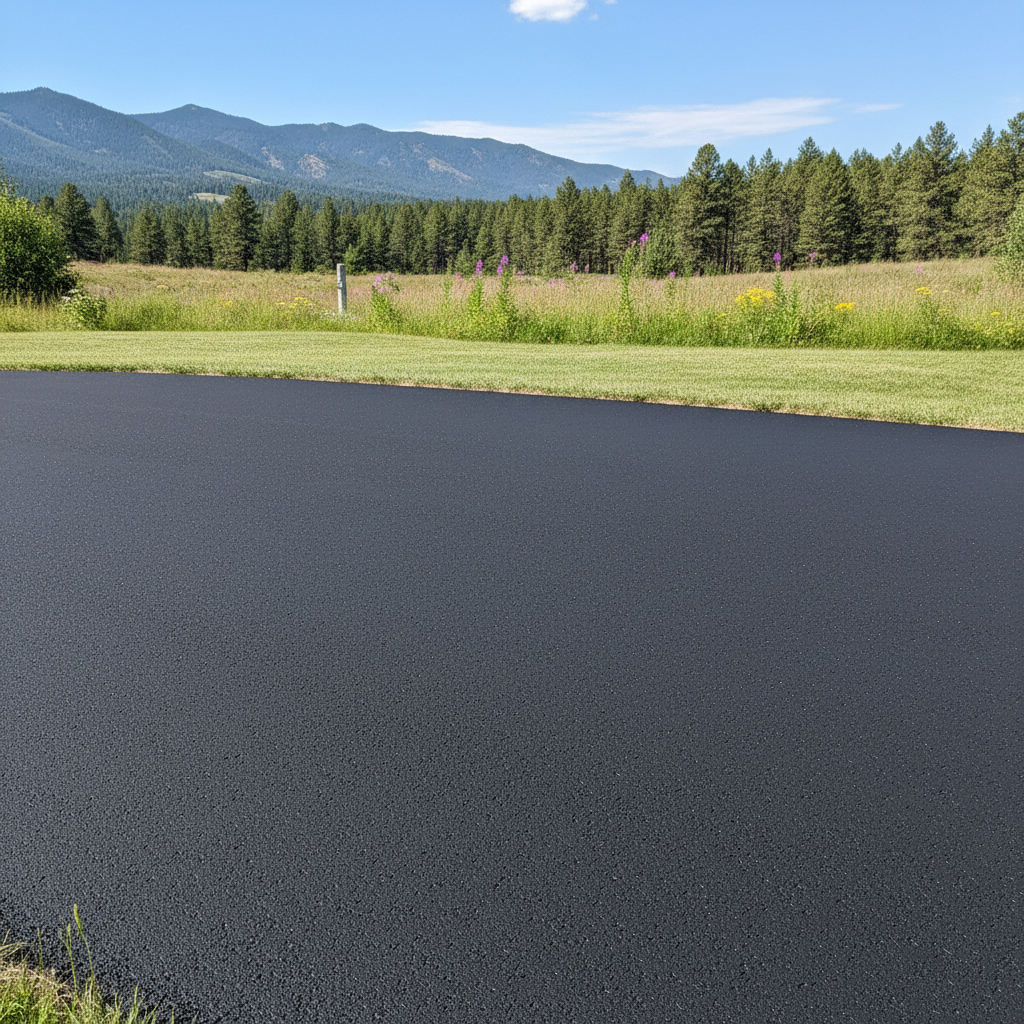
You're thinking about getting your asphalt driveway slurry coated, and you've probably got a bunch of questions. That's smart. It's a good investment when done right, and you want to make sure you're getting the best for your property. I've been doing this for a long time here in Missoula, and I hear the same questions over and over. So, let's just tackle 'em head-on.
What exactly is slurry coating, and how's it different from sealcoating?
Okay, this is probably the most common question I get. A lot of folks use the terms 'slurry coat' and 'sealcoat' interchangeably, but they're not the same thing. Not at all. Think of sealcoating as a thin, protective paint job for your asphalt. It's usually a liquid asphalt emulsion, sometimes with sand, that goes on pretty thin. It's great for giving your driveway a fresh black look and some basic protection against UV rays and minor spills.
Slurry coating, on the other hand, is a much more substantial application. It's a mixture of asphalt emulsion, fine aggregates (like sand or crushed slag), water, and some chemical additives. It's applied thicker than sealcoat, almost like a thin layer of new asphalt. What it does is fill in minor cracks and surface imperfections, restore lost aggregate, and provide a much more durable, longer-lasting protective layer. It's designed to extend the life of your asphalt by years, not just months. It's a bigger investment upfront, but it pays off in the long run by pushing back the need for a full repave.
How long does a slurry coat last in Missoula's climate?
That's a critical question, especially with our Missoula weather. We get those hot summers and then those brutal, freeze-thaw cycles in the winter. A well-applied slurry coat, using quality materials, should last you anywhere from 5 to 10 years. Now, that's a big range, right? The lifespan really depends on a few things:
- The quality of the initial asphalt: If your driveway was already falling apart, even the best slurry coat won't perform miracles.
- Traffic volume: A driveway with multiple cars coming and going all day is going to wear down faster than one that sees a car once a day.
- Drainage: Poor drainage, especially in areas like the Rattlesnake where you get a lot of runoff, can shorten its life. Water pooling on the surface is the enemy of any asphalt treatment.
- Installation quality: This is huge. If the surface isn't prepped right, or the mix isn't applied correctly, you're just throwing money away.
We see a lot of wear and tear from snowplows and studded tires too, so keeping that in mind for maintenance helps.
What kind of prep work is involved before you can slurry coat?
Prep work is probably 75% of the job, maybe more. You can have the best slurry material in the world, but if the surface isn't ready, it's not going to stick or last. Here's what we typically do:
- Clean the surface: We're talking about sweeping, blowing, and often power washing to get rid of all dirt, debris, oil spots, and loose aggregate.
- Repair existing damage: Any significant cracks need to be filled. Potholes need to be patched. If there are areas of severe alligator cracking, those might need more extensive repair or even removal and replacement before we even think about slurry.
- Edge preparation: We'll often trim back grass or weeds growing along the edges of your driveway to ensure a clean application.
- Prime if necessary: Sometimes, especially with older, very oxidized asphalt, a primer coat is needed to ensure proper adhesion of the slurry.
It's all about creating a clean, stable base for the new material to bond to.
Can I slurry coat my driveway myself, or should I hire a pro?
Look, I'm not going to tell you it's impossible to do it yourself. You can buy slurry coating materials at big box stores. But I'll tell you this: it's a lot harder than it looks to get a good, even, durable finish. This isn't like painting a wall. The material is heavy, it sets up quickly, and getting an even thickness without streaks or puddles takes practice and the right equipment.
A professional crew like Top Line Asphalt Missoula has specialized squeegees, brushes, and often mechanical spreaders that ensure a consistent application. We also know how to properly mix the material for our specific climate and conditions, and we're experts at surface prep. I've seen plenty of DIY jobs that end up looking patchy, wearing unevenly, or peeling within a year. You usually end up spending more in the long run to fix a bad DIY job than if you'd just hired a pro from the start.
How long does it take to cure, and when can I drive on it?
This is where patience comes in. After we apply the slurry coat, it needs time to cure properly. Generally, you're looking at 24 to 48 hours before you can drive on it, but this can vary a lot based on the weather. If it's a hot, sunny, low-humidity day, it'll cure faster. If it's cool and damp, it'll take longer. We'll always give you a specific timeframe based on the conditions when we finish the job.
It's really important to respect that curing time. Driving on it too soon can cause tire marks, scuffs, or even pull up the fresh material, ruining the finish and compromising its longevity. We recommend avoiding parking heavy vehicles on it for the first few days, and if you have to turn your steering wheel while stationary, try to avoid it as much as possible for the first week or so, as that can scuff the new surface.
What are the biggest mistakes homeowners make regarding slurry coating?
I've seen a few over the years. Here are the big ones:
- Not doing proper repairs first: Trying to slurry coat over major cracks or potholes is like putting a band-aid on a broken leg. It just won't hold up.
- Ignoring drainage issues: If water pools on your driveway, it's going to break down the slurry coat much faster. Address those low spots or drainage problems before you invest in coating.
- Choosing the cheapest bid: I get it, everyone wants a deal. But with asphalt work, the cheapest bid often means cutting corners on materials, prep, or application. You'll pay for it later when it fails early. Ask for references, check reviews, and make sure they're using quality materials.
- Not letting it cure: Like I just said, patience is key. Don't rush it.
- Not understanding what slurry coating can't do: It's not a miracle worker. It won't fix major structural issues with your asphalt base. If your driveway is completely shot, you might need a full repave, not just a slurry coat.
Ultimately, a good slurry coat is an investment in your property's longevity and curb appeal. Do your homework, ask questions, and don't be afraid to get multiple opinions. That's how you get a job you'll be happy with for years.